What the Severe Drought Gripping Northern Maine Means for Potato Growers
The 2026 potato harvest in Northern Maine is just about done. The equipment is coming in from the fields, the crop is in storage, and by most accounts growers got the season wrapped up before conditions got worse. That’s the good news. The news that’s harder to sit with is what’s happening to the land and water underneath all of it.
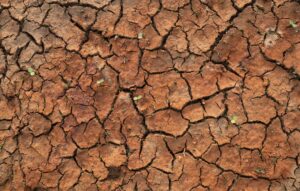
As of October 22, the U.S. Drought Monitor placed many areas of Northern Maine in severe drought — D2 on a five-level scale, with more than half of Maine experiencing severe or extreme drought conditions statewide. Precipitation at Frenchville since January 1 sits roughly four inches below normal, making 2026 the ninth driest year in the region since 1998. Houlton has received just 71 percent of its normal precipitation — its fifth driest year on record since 1948. River flows across the St. John Valley are registering near historic lows. Groundwater monitoring wells are approaching record depths.
Read the original news story here.
What This Means Going Into the Storage Season
The harvest may be over, but the agricultural calendar is not. With the 2026 crop now sitting in potato houses across the county, growers are entering the most consequential phase of their year: the long wait between putting product into storage and getting paid for it.
Drought conditions don’t disappear from the equation just because the potatoes are in the ground. Crops that grew through an abnormally dry season can carry physiological stress that shows up weeks or months into storage — reduced starch content, inconsistent sizing, and greater susceptibility to breakdown. What looked acceptable coming out of the field doesn’t always stay that way.
The Water Problem Runs Deeper Than the Harvest
The drought story in northern Maine goes beyond this season’s crop. Declining water tables are affecting private wells across the region. River flows on the St. John, the Fish River, and surrounding waterways have hit near-record lows. Recovery, according to the National Weather Service, would require eight to twelve inches of precipitation over the next one to two months — and forecasters aren’t expecting meaningful relief before the end of October.
For an agricultural economy that runs on groundwater, irrigation access, and seasonal hydrology, that’s not a short-term problem. It’s a structural concern that will shape planting decisions in the spring and irrigation investment conversations through the winter.
What an Experienced Supply Chain Operator Watches For
Michael Carvell, President of Mountain Valley Inc. and a nearly four-decade veteran of Northern Maine’s agricultural supply chain, has seen drought seasons affect the county before. The immediate harvest numbers rarely tell the full story. It’s the downstream effects — on stored crop quality, on spring planting confidence, on the volume of product moving through the freight and logistics network over the coming months — that determine what a difficult growing year actually costs the region.
About Michael Carvell
Michael Carvell is a Mars Hill, Maine entrepreneur and President of Mountain Valley Inc., a Northern Maine agricultural business with nearly four decades of roots in the local potato and agricultural supply chain industries. He also owns MC Logistics Inc. and MC Freight Transportation Brokerage, bringing a full-spectrum view of how conditions on the farm translate into outcomes across the supply chain.
When the weather in Northern Maine turns difficult, the effects don’t stay on the farm. They move through every business that touches the crop — and this winter, those effects will be worth watching closely.