Russets, Round Whites, and Reds: Why Potato Variety Matters More Than You Think
Michael Carvell, a multi business entrepreneur and agricultural industry leader, has spent nearly four decades around Maine’s potato business, and one lesson stands out: a potato is never just a potato. The variety a grower plants is decided long before spring, and it follows the crop all the way to the customer.
Variety Starts With the End Use
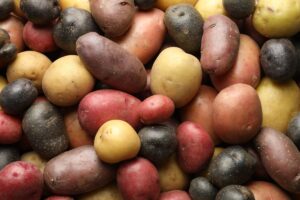
Every variety has a job. Long, oblong russets are the backbone of french fry production. Round whites are favored for chip stock and fresh market sales. Reds and yellows serve a smaller fresh market. Seed growers have their own priorities. The shape, sugar content, and solids of a potato determine whether it fries evenly, slices cleanly, or stores well.
Why Growers Can’t Plant Whatever They Like
Most processing potatoes are grown under contract, and processors specify what they need. A grower who plants the wrong variety may have no buyer for it. Storage matters too, because some varieties hold quality for months while others break down quickly. For a Maine potato industry leader like Carvell, variety decisions are business decisions, tied to markets, contracts, and cold storage capacity.
The Caribou Russet Changed the Conversation
The Caribou Russet was developed by the University of Maine and the Maine Potato Board and released in 2016. Bred with Northern Maine growing conditions in mind, it has since become one of the most widely planted varieties in the state. UMaine continues to test hundreds of new selections every year, so the next improvement may already be in a greenhouse.
What Variety Means Downstream
As President of Mountain Valley Inc., Carvell sees how variety choices ripple through the Maine agriculture industry. They affect how long product can be stored, when it ships, and what kind of freight it needs. A variety suited to fries moves on a different schedule than one destined for the fresh market.
Small Decisions, Big Results
Variety may seem like an agronomy detail, but it shapes revenue, logistics, and long-term planning. Growers, processors, and freight partners all depend on the choice being right, which is why it remains one of the most important calls of the season.